
German Shepherd Breed Guide: Temperament, Health and Family Fit
Written by the 4 Legged Pets team · Updated October 22, 2026
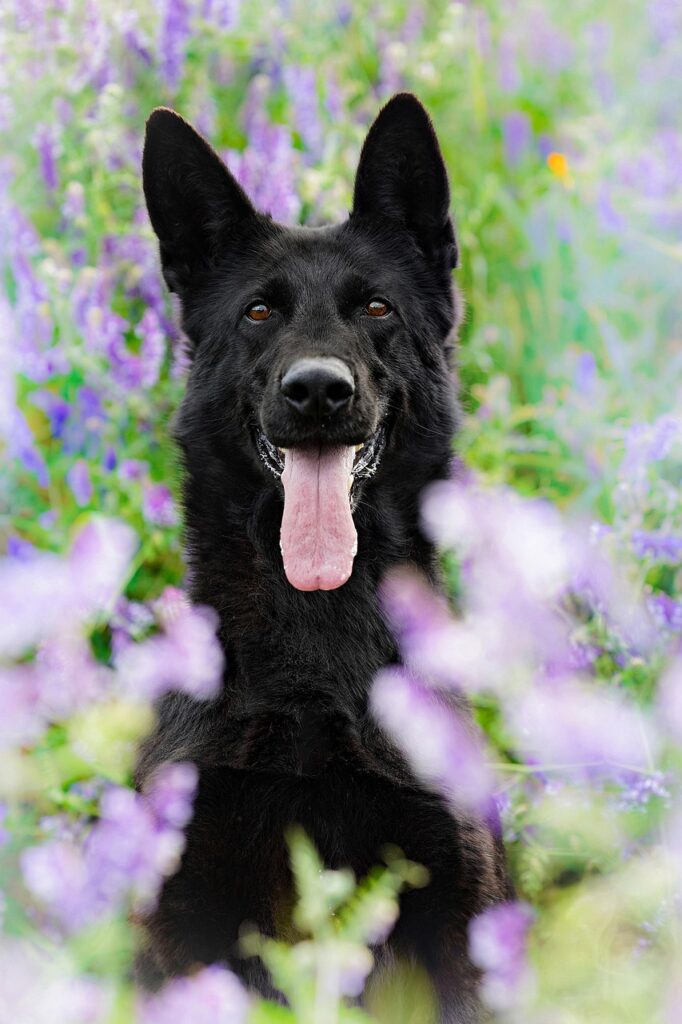
In 1899 a German cavalry officer named Max von Stephanitz found what he was looking for at a dog show in western Germany: a herding dog named Horand von Grafrath, smart, athletic and built to work all day. He bought the dog on the spot and made him the first registered German Shepherd. From that starting point the breed spread fast, first across the farms of Germany, then into police work, the military, search and rescue, and service work. The German Shepherd became the most recognizable working dog on earth for a reason: it can do almost anything you train it to do.
The name says it plainly. This is a shepherd from Germany, developed from the herding dogs that moved sheep and cattle across the countryside. The breed reached the United States in the early 1900s and the American Kennel Club recognized it in 1908. A little over a century later it sits near the top of the popularity charts in America, and it has never left them.
And if a Shepherd is already part of your family, our guide to pet insurance for dogs is worth a read while the dog is young. Now, the breed itself.
Quick facts
| Height | Males 24–26 inches, females 22–24 inches |
| Weight | Males 65–90 pounds, females 50–70 pounds |
| Lifespan | 7–10 years |
| Coat | Dense double coat, sheds heavily year-round |
| Colors | Black and tan, sable, solid black, and more |
| Energy level | High, needs a job to do |
| Good with kids | Yes, with socialization and supervision |
Temperament
A German Shepherd is loyal, confident and watchful, and it forms a bond with its family that does not quit. This is a dog that wants a job, whether that job is guarding the yard, walking the kids to the bus stop or learning a hundred commands. Give it one and it will love you for it.
It is also one of the smartest breeds there is, which cuts both ways. A trained German Shepherd is obedient, steady and gentle with its people. An underworked one gets restless and invents its own entertainment. Training and socialization are the difference between the calm, capable dog you have seen in police work and a handful you can’t manage.
With strangers, a well-bred German Shepherd is reserved but not jumpy. It assesses people before it accepts them, and it takes its cue from you. That guarded nature is why it is the world’s favorite guard dog, and why early socialization matters so much.
Pros and cons
Pros
- Extraordinarily loyal and protective of its family
- One of the smartest, most trainable breeds in the world
- Versatile: family dog, guard dog, hiking partner, all in one
- Good with children it is raised and socialized with
Cons
- Sheds heavily all year, with two seasonal blowouts you will never forget
- Needs daily exercise and mental work, not just a yard to sit in
- Hip and joint problems run deep in the breed
- Reserved with strangers, so socialization has to start early
Are German Shepherds good family dogs?
Yes, and families are one of the places the breed shines. A raised, socialized German Shepherd is gentle and patient with the kids it grows up beside, and it takes its self-assigned job of protecting them seriously. It bonds to the whole household and it is a natural playmate for active children.
The honest notes: this is a 70-to-90-pound herding dog with a working brain, so it needs training, socialization and exercise, and it needs an owner who will be consistent. Around very small children, supervise the way you would with any big dog, because herding dogs move fast and a shoulder check from a German Shepherd is no joke. And the shedding is real. If a spotless house matters more than a devoted dog, look elsewhere. If you want a protector and playmate that never stops loving its family, few breeds do it better.
German Shepherd health issues
German Shepherds live 7 to 10 years on average, which is typical for a large working breed. Most of them are healthy most of that time, but a few conditions run deep in the breed.
Hip and elbow dysplasia. This is the big one for Shepherds. The joints don’t develop right, which leads to pain and arthritis, usually from middle age on. The defense is a reputable breeder who screens the parents, keeping the dog lean, and building muscle with the right kind of exercise. A good orthopedic dog bed is cheap insurance for those joints.
Degenerative myelopathy. A disease of the spinal cord that shows up in later life, starting as a wobble in the back legs and slowly progressing. There is no cure, but a DNA test tells you whether your dog carries the gene before you commit.
Bloat. Deep-chested breeds can twist a stomach, and it is an emergency. Feed smaller meals, slow the eating down, and keep hard exercise away from mealtimes.
Skin and allergies. Shepherds are prone to environmental allergies that show up as itchy skin and ear trouble. Most cases are manageable once you find the trigger.
Grooming and exercise
Let’s be honest about the coat: German Shepherds shed constantly, and twice a year they blow their undercoat and the fur flies for weeks. A few minutes with a de-shedding brush a few times a week keeps it survivable. Bathing too often makes it worse, so brush more and bathe less.
Exercise is non-negotiable: an hour a day minimum, and this breed does best with training sessions and puzzle work on top of the walks. A German Shepherd with a tired body and a tired brain is a joy in the house. One with neither is renovating it for you.
The verdict
A German Shepherd is a big commitment that pays a big return: the most loyal, most capable companion most families will ever own. It asks for training, exercise, socialization and patience with the fur, and in exchange it gives you a protector, a playmate and a best friend for a decade.
If you are the kind of household that includes the dog in everything, this is your breed. If the dog is going to sit in a crate all day while everyone works, it is not.