Category: Dog Breeds

  • French Bulldog: The Small Dog That Took the Crown

    French Bulldog: The Small Dog That Took the Crown

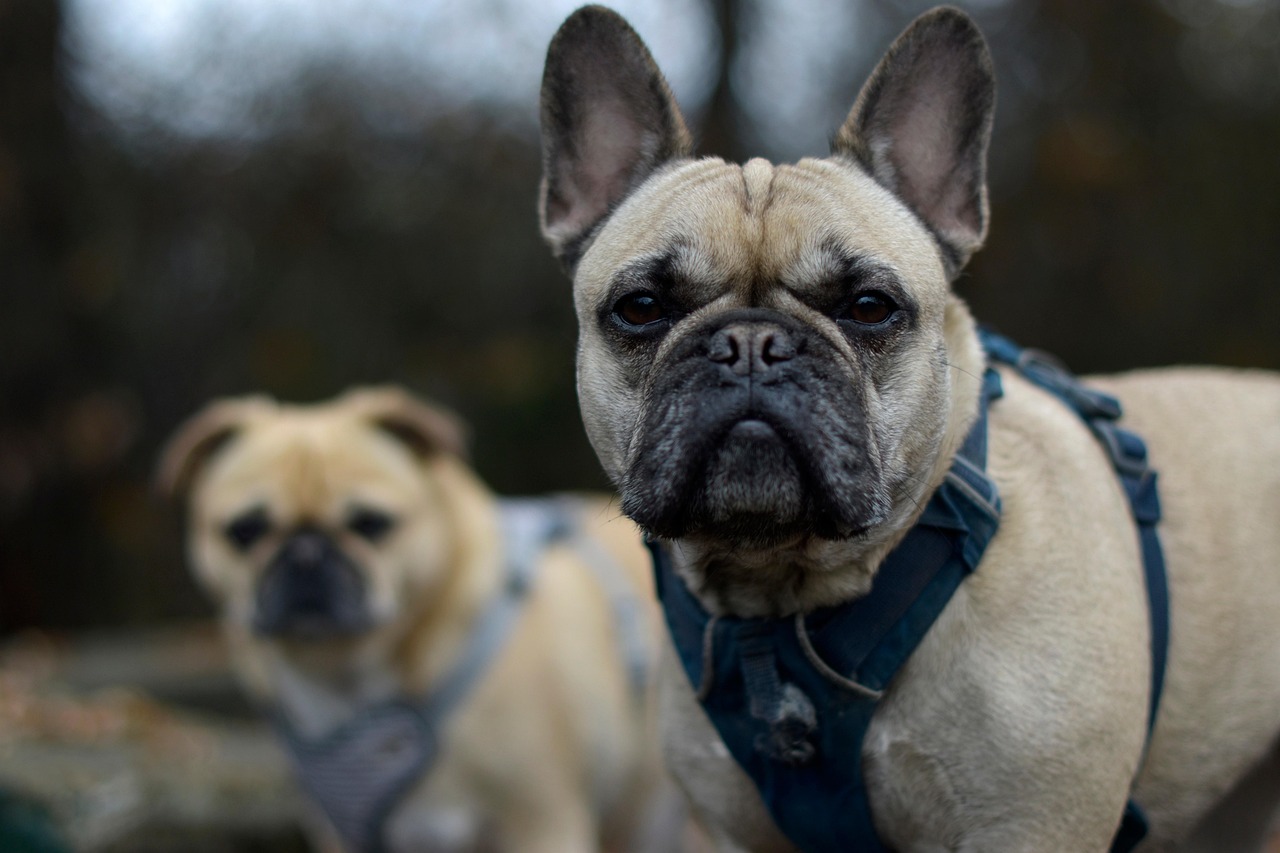
    a fawn French Bulldog with large bat ears wearing a blue harness

    The French Bulldog knocked the Labrador Retriever off the top of the popularity chart in 2022, and it hasn’t given the crown back. For a small flat-faced dog that doesn’t fetch and can’t swim, that’s a heck of a run.

    The American Kennel Club describes the Frenchie as a playful, alert, smart bat-eared dog. All true. What the description leaves out is everything below, and that’s the part worth knowing before you fall in love with one at the park.

    What they’re like

    A Frenchie is a clown with a muscular build. They’re people dogs through and through: they follow you from room to room, they hog the couch, and they have opinions about everything, usually expressed through snorting and sighing. They don’t bark much. They communicate in grunts, groans, and dramatic flops onto the floor.

    They’re low-energy compared to sporting breeds, which is exactly why apartment dwellers and city folks love them. A couple of short walks a day and they’re content. But they are not outdoor dogs, and that’s not a preference thing, it’s survival.

    The health stuff nobody tells you

    French Bulldogs are a flat-faced breed, and that shape comes with real costs. Know them before you buy.

    The flat face

    Brachycephalic airway syndrome is the umbrella term, and it means many Frenchies struggle to breathe, especially in heat and humidity. They can’t regulate temperature by panting the way long-nosed dogs do. Heatstroke kills French Bulldogs. Air conditioning is not a luxury for this breed.

    They can’t swim

    Their bodies are front-heavy and their heads are dense. A Frenchie can drown in minutes, even in a kiddie pool. Fence the pool, watch the water.

    The spine

    Hemivertebrae and intervertebral disc disease run in the breed. That’s part of why we suggest ramps instead of jumping off the couch, and why stairs matter more than you’d think.

    The skin folds

    Those adorable wrinkles need cleaning and drying, or they become infected folds. It’s a two-minute job with a soft cloth.

    Here’s our honest take from running this store: pet insurance matters more for a French Bulldog than for most breeds, because the odds of a big bill are simply higher. Surgery on the airway alone can run into the thousands. Read the real bills from real dogs, then price a policy while your Frenchie is young and healthy.

    What to have ready

    If a Frenchie is coming home, here’s the short list, all in stock:

    • A supportive bed, because flat-faced dogs sleep hard and need real joint support. Beds & Blankets.
    • A comfortable harness, never a collar on the leash for a Frenchie, since pulling on a collar strains their already-compromised airway. Collars, Leashes & Harnesses.
    • Cooling gear for summer, and yes, a sweater for winter, because they feel the cold too. Dog Clothes & Accessories.
    • Wipes or a soft cloth for the wrinkles. Start with Health & Hygiene.
    • A sturdy carrier or crate for the car, because a Frenchie riding loose is a head injury waiting to happen. Carriers, Crates & Kennels.
    • Toys they can chew without destroying. Dog Toys.

    The bottom line

    A French Bulldog is not a small Lab. It’s a different animal with different needs, and the people who thrive with them are the ones who accepted the trade: less exercise and less fetch, in exchange for a comical, affectionate shadow that follows you everywhere. Keep them cool, keep them lean, and keep them insured.

    Our pet insurance page compares ten companies side by side, with honest reviews and free quotes.

    Looking at other breeds? See the whole breed library.
  • Labrador Retriever: America’s Favorite for a Reason

    Labrador Retriever: America’s Favorite for a Reason

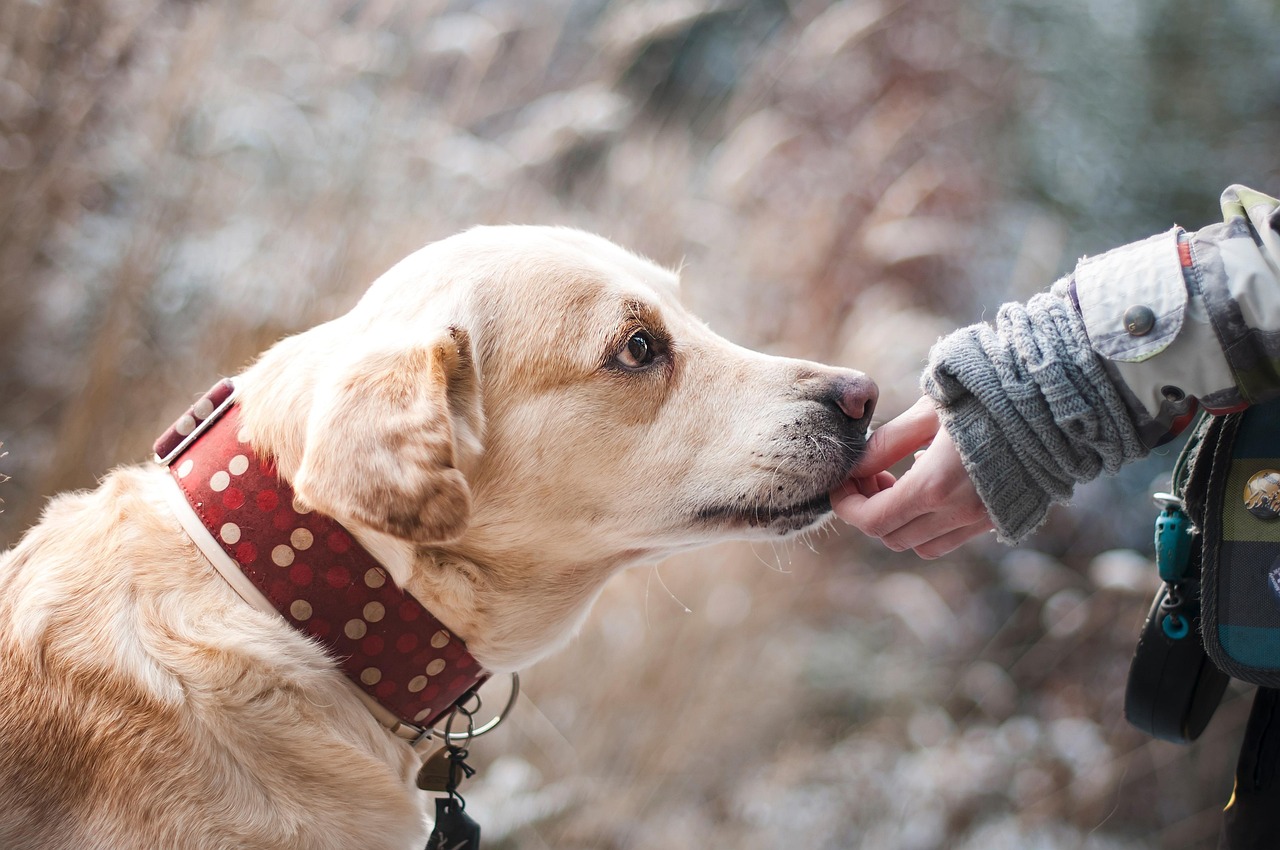
    a yellow Labrador Retriever taking a treat from a hand

    The Labrador Retriever has been America’s most popular dog for decades, and only recently gave up the number-one spot to the French Bulldog. Spend five minutes with one and you’ll see why it held the crown so long.

    The American Kennel Club describes the Lab as a strongly built, medium-sized sporting dog with a short, dense, weather-resistant coat. Translation: this is a working dog wearing the disguise of a family pet.

    What they’re like

    A Lab is friendly with everybody. Your kids, your neighbors, the plumber, the other dogs at the park. They were bred to retrieve waterfowl alongside hunters all day, so they have energy to burn and a mouth that wants to carry things. Socks, shoes, the remote, your sandwich. If it fits in a Lab’s mouth, a Lab will test it.

    They’re smart and eager to please, which makes training easier than with most breeds. They also love water. Do not be surprised if your Lab finds the mud puddle before you do.

    The health stuff nobody tells you

    Every breed has its weak spots, and Labs are no exception.

    Hips and elbows

    Dysplasia runs in the breed. Buy from a breeder who screens for it, and keep your dog lean.

    Weight

    Labs act like they’re starving every hour of the day. A fat Lab is a common Lab, and obesity shortens lives. Measure the food.

    Ears

    Those floppy ears trap moisture. If your Lab swims, dry the ears after.

    And here’s the honest part, the reason this store has the pages it has: big dogs, big vet bills. A torn ligament in a 70-pound dog is a four-figure repair. We learned that the hard way in our own family. Read the real bills from real dogs and you’ll understand why we went from “we’ll never need it” to telling everybody to price pet insurance while the dog is young and healthy.

    What to have ready

    If a Lab is coming home, here’s the short list, all in stock:

    • A real bed. Labs are heavy sleepers and heavy on joints, so look at our Beds & Blankets.
    • Food and water bowls that survive enthusiasm. Start with Bowls & Feeding.
    • Toys that can take it. Labs destroy cheap toys in minutes, so check Dog Toys for the durable stuff.
    • A solid leash and harness, because a full-grown Lab pulling on a weak leash is a lost tug-of-war. Collars, Leashes & Harnesses.
    • Grooming basics. Labs shed, in volume, year-round. Dog Grooming.

    The bottom line

    A Lab is a lot of dog, in the best way: a lot of energy, a lot of appetite, a lot of love. Feed them right, keep them lean, walk them every day, and you’ll have a best friend for ten to fourteen years.

    Thinking about protection for the big bills? Our pet insurance page compares ten companies side by side, with honest reviews and free quotes.

    Looking at other breeds? See the whole breed library.
  • Doberman Pinscher Breed Guide: Temperament, Health and Family Fit

    Doberman Pinscher Breed Guide: Temperament, Health and Family Fit

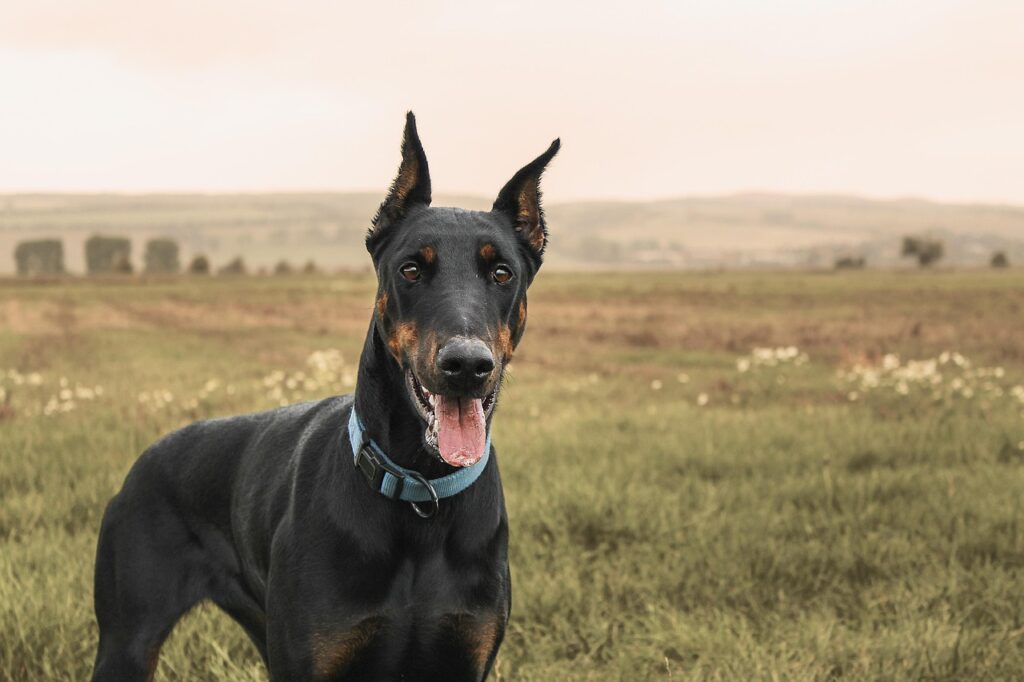
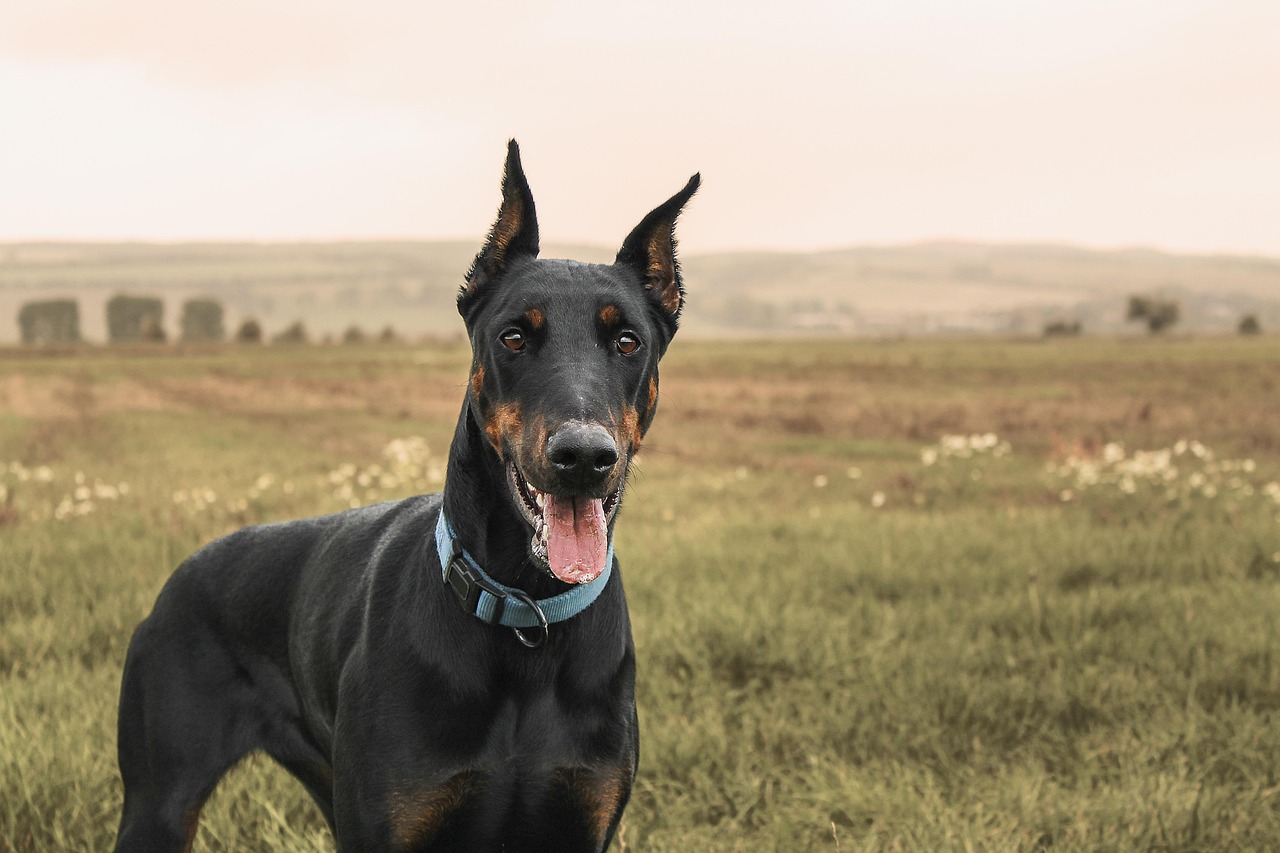
    A Doberman Pinscher standing in an open field

    Around 1890, in the town of Apolda in Germany, a tax collector named Karl Friedrich Louis Dobermann went to work in neighborhoods where a man carrying cash was a target. He also ran the local dog pound, which gave him something nobody else had: first pick of strong, loyal, sharp dogs to breed from. What he wanted was one dog that could guard him on the road, stay devoted to his family, and think for itself when it mattered.

    He only got a few years to see the result. Karl Dobermann died in 1894, and the breeders who carried the work forward kept his name on the breed in his honor. In Germany the dog is simply called the Dobermann. In America it picked up a second word, and here it is the Doberman Pinscher.

    Nobody knows the full recipe. Most experts believe the Rottweiler, the German Pinscher, the Beauceron, the Weimaraner, the Manchester Terrier and the Greyhound all had a hand in it. That mix explains the dog you see today: an athlete’s body, a guard dog’s nerve, and enough brains to know when to use each one.

    And if a Dobermann is already part of your family, our guide to pet insurance for dogs is worth a read. Now, the breed itself.

    Quick facts

    Height Males 26–28 inches, females 24–26 inches
    Weight Males 75–100 pounds, females 60–90 pounds
    Lifespan 10–12 years
    Coat Short and smooth, sheds lightly year-round
    Colors Black and rust, red and rust, blue, fawn
    Energy level High, needs real exercise every day
    Good with kids Yes, with training and supervision

    Temperament

    A Doberman is a people dog. It will follow you from room to room, lean against your leg, and keep one ear open for the door all night. Owners call them velcro dogs and they mean it as a compliment.

    This is one of the smartest breeds there is, and it learns fast, sometimes faster than you want. That intelligence cuts both ways: a trained Doberman is obedient, attentive and calm, while a bored one finds its own job, and you won’t like the job it picks. Training and early socialization are not optional with this breed, they are the whole game.

    With strangers, a Doberman is naturally reserved. It will watch a newcomer before it decides about them. That is a feature if you want a watchdog, and it is exactly why socialization matters: a Doberman that has met plenty of people, dogs and places learns the difference between a guest and a threat.

    Pros and cons

    Pros

    • Fiercely loyal to its family, one of the most devoted breeds there is
    • Smart and eager to train, one of the easiest large breeds to work with
    • Natural watchdog without being yappy
    • Short coat, minimal grooming, low doggy odor

    Cons

    • Needs an hour or more of real exercise every day, not a walk around the block
    • Big and strong, so it needs a consistent owner, not a pushover
    • Serious health risks run in the breed, heart problems above all
    • Hates being left alone for long stretches
    • Reserved with strangers, so socialization has to start early

    Are Dobermans good with kids?

    Yes, with two conditions. A raised, trained Doberman is famously gentle with its own people and patient with the kids it grows up beside. It is protective without being unstable, and it bonds to the whole family, not just one person.

    The conditions: everything above about training and exercise, and size. This is an 80-pound dog with the enthusiasm of a puppy, and around toddlers that combination needs supervision, the same way you would supervise any big dog around a two-year-old. Families with school-age kids and an active lifestyle are the sweet spot for this breed.

    Doberman health issues

    Dobermans live 10 to 12 years, and most are healthy for most of that time. But this breed carries some serious risks, and anyone bringing one home should know them going in.

    Dilated cardiomyopathy (DCM). This is the big one, and it is the disease most tied to this breed. The heart muscle stretches and weakens until it can’t pump well. It tends to show up in middle age, and it can start quietly. The defense is screening: regular heart checks from your vet, and if you’re buying a puppy, heart test results on both parents.

    Von Willebrand’s disease. A bleeding disorder, the most common one in dogs, and Dobermans are on the short list of breeds that carry it. Blood that doesn’t clot properly matters most during surgery or after an injury. A simple DNA test tells you where your dog stands.

    Wobbler syndrome. A condition of the neck vertebrae that squeezes the spinal cord, showing up as a wobbly, unsteady walk, usually in middle age. It needs a vet workup the moment you see it.

    Bloat. Deep-chested breeds like the Doberman can twist a stomach, and it is an emergency. Two habits lower the risk: feed smaller meals and slow the eating down with a slow feeder bowl, and keep the hard exercise away from mealtimes.

    The smaller stuff. Hypothyroidism shows up more in this breed than average. And in the blue and fawn coats, the dilution gene that makes that color also thins the hair, a condition called color dilution alopecia. If you love the blue look, ask the breeder about it and be ready for skin care.

    One more thing worth doing from day one: give a big dog a real bed. Their joints carry them for a decade, and a good orthopedic dog bed is the cheapest joint care there is.

    Grooming and exercise

    The coat is the easy part: short, smooth, and a once-over with a brush once a week catches most of the shedding. Trim the nails, brush the teeth, done.

    The exercise is not the easy part. This breed was built to work. It needs an hour to two hours a day, and it thrives on having a job, whether that is running with you, advanced obedience, or serious fetch. A tired Doberman is a good Doberman. A bored one is a demolition project.

    The verdict

    A Doberman is not a starter dog. It is a full-time partnership for a family that trains, exercises and includes its dog in everything. Get that part right and very few breeds give this much back: a protector that thinks, a companion that worships its people, and a dog that makes you feel safe in your own house.

    I’ve had Dobermans in my own family for years, and I can tell you the loyalty you hear about is real. That part of the reputation is exactly as advertised.

    Sources

  • German Shepherd Breed Guide: Temperament, Health and Family Fit

    German Shepherd Breed Guide: Temperament, Health and Family Fit

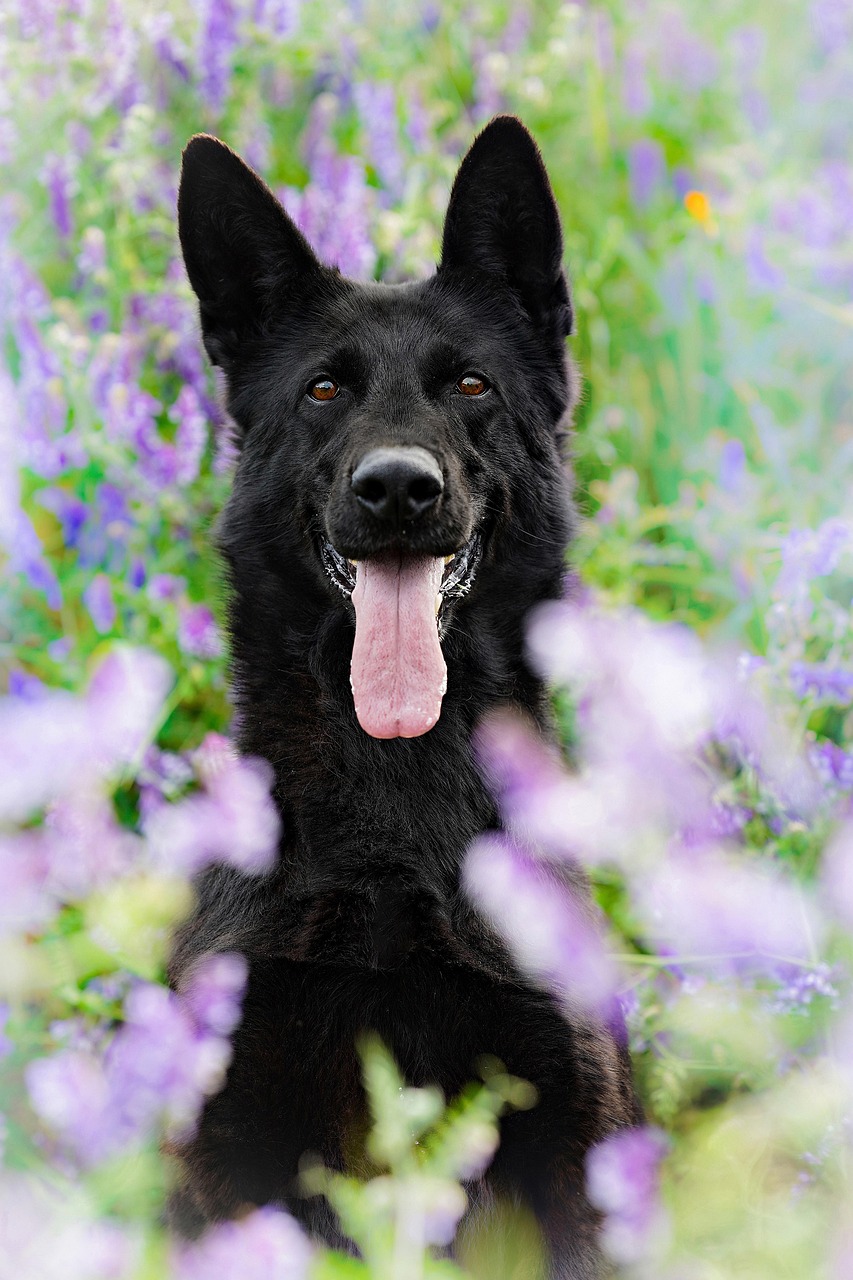
    A German Shepherd sitting among flowers

    In 1899 a German cavalry officer named Max von Stephanitz found what he was looking for at a dog show in western Germany: a herding dog named Horand von Grafrath, smart, athletic and built to work all day. He bought the dog on the spot and made him the first registered German Shepherd. From that starting point the breed spread fast, first across the farms of Germany, then into police work, the military, search and rescue, and service work. The German Shepherd became the most recognizable working dog on earth for a reason: it can do almost anything you train it to do.

    The name says it plainly. This is a shepherd from Germany, developed from the herding dogs that moved sheep and cattle across the countryside. The breed reached the United States in the early 1900s and the American Kennel Club recognized it in 1908. A little over a century later it sits near the top of the popularity charts in America, and it has never left them.

    And if a Shepherd is already part of your family, our guide to pet insurance for dogs is worth a read while the dog is young. Now, the breed itself.

    Quick facts

    Height Males 24–26 inches, females 22–24 inches
    Weight Males 65–90 pounds, females 50–70 pounds
    Lifespan 7–10 years
    Coat Dense double coat, sheds heavily year-round
    Colors Black and tan, sable, solid black, and more
    Energy level High, needs a job to do
    Good with kids Yes, with socialization and supervision

    Temperament

    A German Shepherd is loyal, confident and watchful, and it forms a bond with its family that does not quit. This is a dog that wants a job, whether that job is guarding the yard, walking the kids to the bus stop or learning a hundred commands. Give it one and it will love you for it.

    It is also one of the smartest breeds there is, which cuts both ways. A trained German Shepherd is obedient, steady and gentle with its people. An underworked one gets restless and invents its own entertainment. Training and socialization are the difference between the calm, capable dog you have seen in police work and a handful you can’t manage.

    With strangers, a well-bred German Shepherd is reserved but not jumpy. It assesses people before it accepts them, and it takes its cue from you. That guarded nature is why it is the world’s favorite guard dog, and why early socialization matters so much.

    Pros and cons

    Pros

    • Extraordinarily loyal and protective of its family
    • One of the smartest, most trainable breeds in the world
    • Versatile: family dog, guard dog, hiking partner, all in one
    • Good with children it is raised and socialized with

    Cons

    • Sheds heavily all year, with two seasonal blowouts you will never forget
    • Needs daily exercise and mental work, not just a yard to sit in
    • Hip and joint problems run deep in the breed
    • Reserved with strangers, so socialization has to start early

    Are German Shepherds good family dogs?

    Yes, and families are one of the places the breed shines. A raised, socialized German Shepherd is gentle and patient with the kids it grows up beside, and it takes its self-assigned job of protecting them seriously. It bonds to the whole household and it is a natural playmate for active children.

    The honest notes: this is a 70-to-90-pound herding dog with a working brain, so it needs training, socialization and exercise, and it needs an owner who will be consistent. Around very small children, supervise the way you would with any big dog, because herding dogs move fast and a shoulder check from a German Shepherd is no joke. And the shedding is real. If a spotless house matters more than a devoted dog, look elsewhere. If you want a protector and playmate that never stops loving its family, few breeds do it better.

    German Shepherd health issues

    German Shepherds live 7 to 10 years on average, which is typical for a large working breed. Most of them are healthy most of that time, but a few conditions run deep in the breed.

    Hip and elbow dysplasia. This is the big one for Shepherds. The joints don’t develop right, which leads to pain and arthritis, usually from middle age on. The defense is a reputable breeder who screens the parents, keeping the dog lean, and building muscle with the right kind of exercise. A good orthopedic dog bed is cheap insurance for those joints.

    Degenerative myelopathy. A disease of the spinal cord that shows up in later life, starting as a wobble in the back legs and slowly progressing. There is no cure, but a DNA test tells you whether your dog carries the gene before you commit.

    Bloat. Deep-chested breeds can twist a stomach, and it is an emergency. Feed smaller meals, slow the eating down, and keep hard exercise away from mealtimes.

    Skin and allergies. Shepherds are prone to environmental allergies that show up as itchy skin and ear trouble. Most cases are manageable once you find the trigger.

    Grooming and exercise

    Let’s be honest about the coat: German Shepherds shed constantly, and twice a year they blow their undercoat and the fur flies for weeks. A few minutes with a de-shedding brush a few times a week keeps it survivable. Bathing too often makes it worse, so brush more and bathe less.

    Exercise is non-negotiable: an hour a day minimum, and this breed does best with training sessions and puzzle work on top of the walks. A German Shepherd with a tired body and a tired brain is a joy in the house. One with neither is renovating it for you.

    The verdict

    A German Shepherd is a big commitment that pays a big return: the most loyal, most capable companion most families will ever own. It asks for training, exercise, socialization and patience with the fur, and in exchange it gives you a protector, a playmate and a best friend for a decade.

    If you are the kind of household that includes the dog in everything, this is your breed. If the dog is going to sit in a crate all day while everyone works, it is not.

    Sources

  • Golden Retriever Breed Guide: Temperament, Health and Family Fit

    Golden Retriever Breed Guide: Temperament, Health and Family Fit

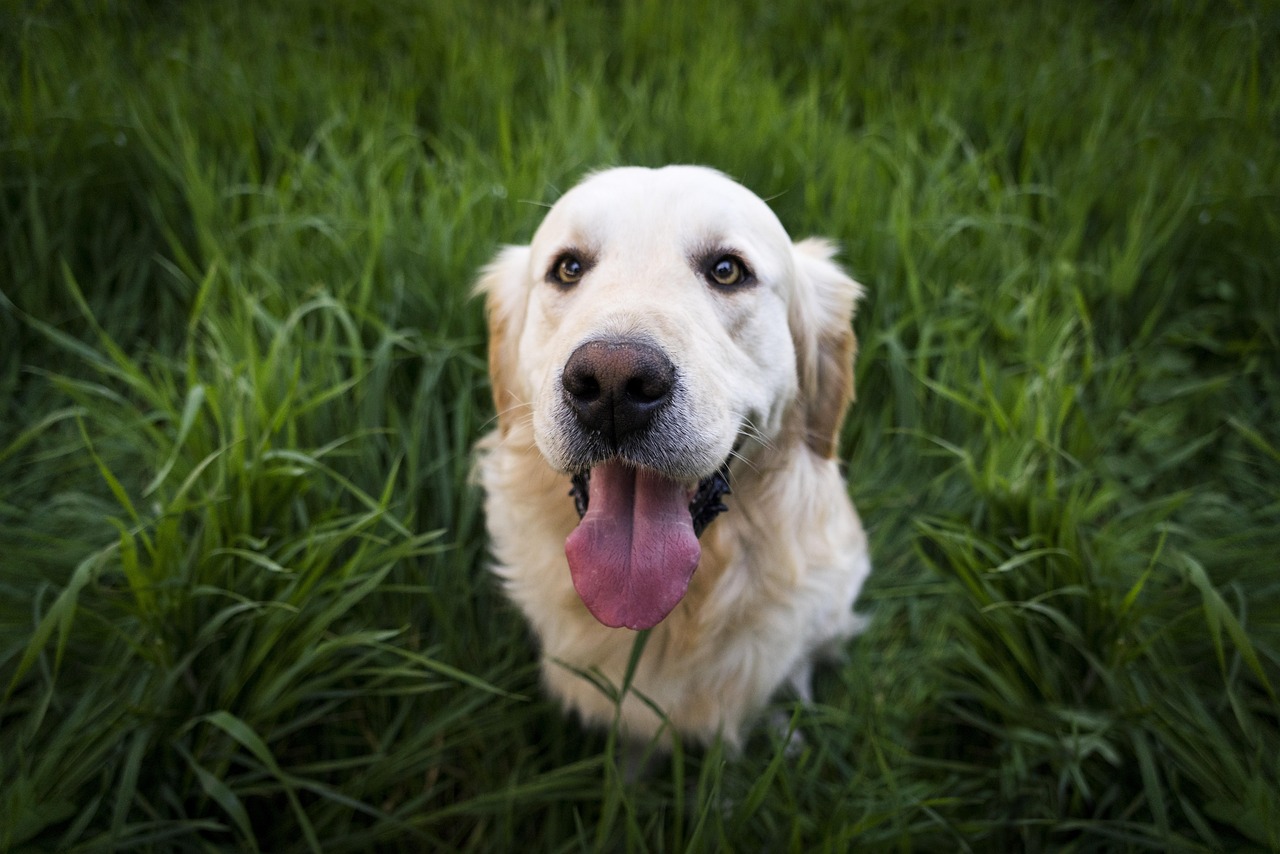
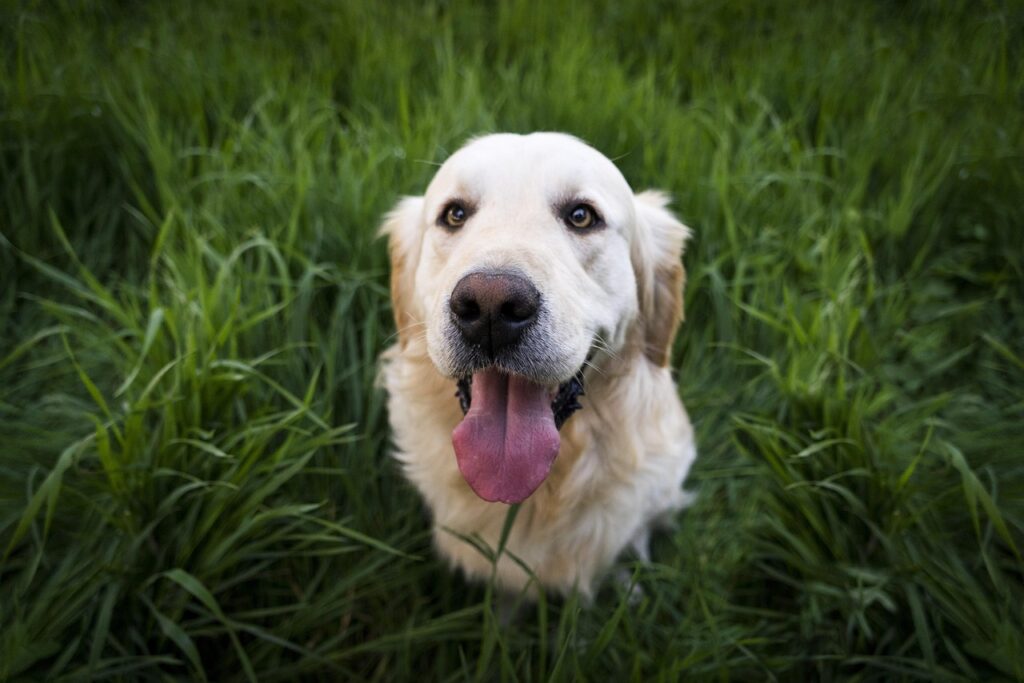
    A Golden Retriever sitting in tall green grass

    The Golden Retriever was born on a Scottish estate in the 1860s, and it was born to work. Dudley Marjoribanks, later Lord Tweedmouth, wanted a dog that could retrieve waterfowl from cold Scottish water and hand it back undamaged, so he bred his yellow retrievers with the now-extinct Tweed Water Spaniel and kept the best of each generation. The result was a strong swimmer with a soft mouth, an eager mind and a coat built for cold water.

    The working instincts never left. Goldens today are service dogs, therapy dogs, search-and-rescue dogs and hunting companions, and they hold more obedience titles than almost any breed. The breed came to America in the early 1900s and the American Kennel Club recognized it in 1925. A century later it is one of the most popular dogs in the country, and nobody is surprised.

    And if a Golden is already running your house, our guide to pet insurance for dogs is worth a read. Now, the breed itself.

    Quick facts

    Height Males 23–24 inches, females 21.5–22.5 inches
    Weight Males 65–75 pounds, females 55–65 pounds
    Lifespan 10–12 years
    Coat Long double coat, sheds heavily
    Colors Light golden to dark golden
    Energy level Moderate to high, loves to play and swim
    Good with kids Excellent, one of the best family dogs there is

    Temperament

    A Golden Retriever has never met a stranger, and that is both the charm and the catch. This is a happy, gentle, people-first dog that greets guests like long-lost family and wants to be where the family is, always. They are eager to please, which is the trainer’s favorite trait, and they pick up commands faster than most breeds.

    Two honest notes. First, this is not a guard dog. A Golden will happily show an intruder where the silver is kept. If you want a watchdog, this is the wrong breed; if you want a dog that adores every person it meets, it is the right one. Second, they love food the way they love people, and an unwatched Golden gains weight fast. Keeping them lean is the single biggest thing you can do for their health.

    Pros and cons

    Pros

    • One of the gentlest, most kid-friendly breeds in existence
    • Smart and eager to please, easy to train
    • Friendly with everyone, guests and other dogs included
    • Adaptable: happy in a house, a yard or a lake

    Cons

    • Sheds heavily, especially in spring and fall
    • Not a guard dog at all, too friendly for the job
    • Cancer rates run high in the breed, which we’ll get into below
    • Food motivated to a fault, weight needs watching

    Are Golden Retrievers good with kids?

    Yes, and it is the main reason families pick them. Goldens are gentle, patient and forgiving with children in a way few large breeds match, and they seem to understand the difference between a toddler pulling an ear and a threat. They love to play for hours and they rarely tire of it.

    The only size caveat: this is a 65-to-75-pound dog that doesn’t always know its own strength, so the usual supervision applies around very small children. And since Goldens befriend everyone, teach the kids that the dog will follow a stranger home if they let it, so the leash matters on walks.

    Golden Retriever health issues

    Goldens live 10 to 12 years, and they are sturdy, healthy dogs for most of it. But one fact about this breed deserves to be said plainly: cancer is the leading cause of death in Golden Retrievers, with blood vessel cancers like hemangiosarcoma and lymphoma the most common forms. Nobody can promise a dog a cancer-free life, but catching it early is everything, so keep the vet checkups regular and act fast on lumps, unexplained weight loss or low energy.

    Hip and elbow dysplasia. Common in large breeds and present in this one. Buy from breeders who screen their dogs and keep your Golden lean for life.

    Heart and eye conditions. A heart valve narrowing called subvalvular aortic stenosis runs in the breed, and so do cataracts and other eye problems. A breeder with heart and eye clearances on the parents is worth finding.

    Ears and skin. Those lovely floppy ears trap moisture, and a breed that loves to swim gets ear infections if you don’t dry them after every dip. Skin allergies show up too, usually as itching.

    Because the big conditions in this breed are expensive ones, pet insurance is worth a hard look while the dog is young, before anything diagnosable goes on the record and becomes a pre-existing condition.

    And one Golden-specific piece of gear: this is a breed that will find the water, so if you boat, camp or live near a lake, a dog life jacket is a smart buy even for a strong swimmer. They swim hard, and tired dogs sink.

    Grooming and exercise

    That beautiful coat comes with a price: Goldens shed heavily, and twice a year they blow their undercoat. Brushing a few times a week with a good de-shedding brush keeps the fur on the brush instead of the carpet, and it keeps the skin healthy under all that coat.

    Exercise: an hour a day keeps a Golden happy, and swimming is their favorite form of it. Walks, fetch, swims, whatever you can give them. A bored, under-exercised Golden gets creative, and the results usually involve the trash or the couch.

    The verdict

    The Golden Retriever is the easiest yes in the dog world for a family that can brush a coat and walk a dog every day. It is gentle with kids, friendly with strangers, easy to train and happy to go anywhere the family goes. The honest tradeoffs are the fur, the food habits and the breed’s cancer risk, which rewards owners who stay on top of vet care.

    For the right family, few dogs give as much back as a Golden. They really do seem to be grateful for the job, every single day.

    Sources